History · Five centuries
An island that has always been a place of exile.
Eleven kilometres off Cape Town, eleven thousand stories. UNESCO inscribed Robben Island as a World Heritage Site in 1999.
 i1488 – 1846
Seals, quarries, and a banishment colony
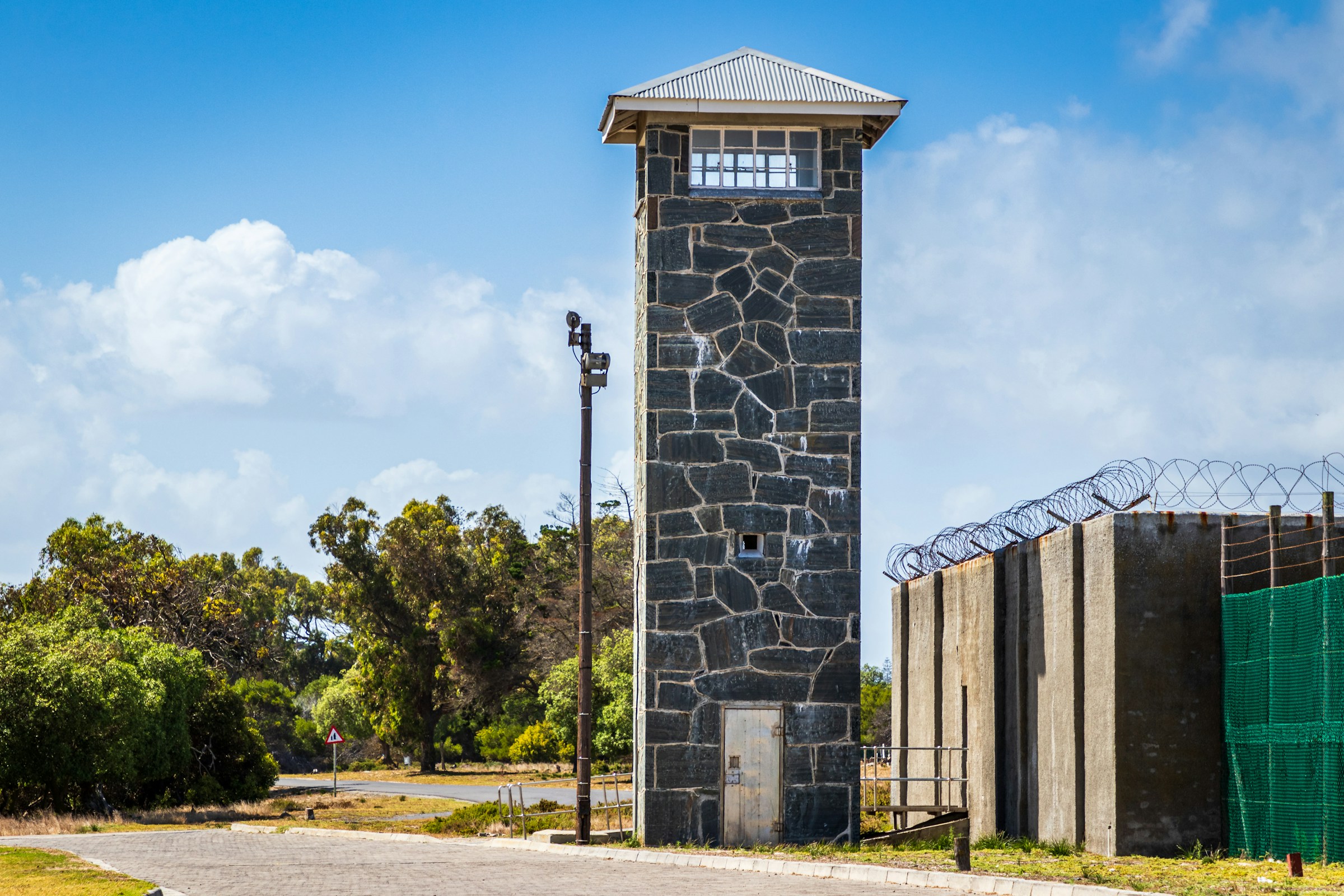
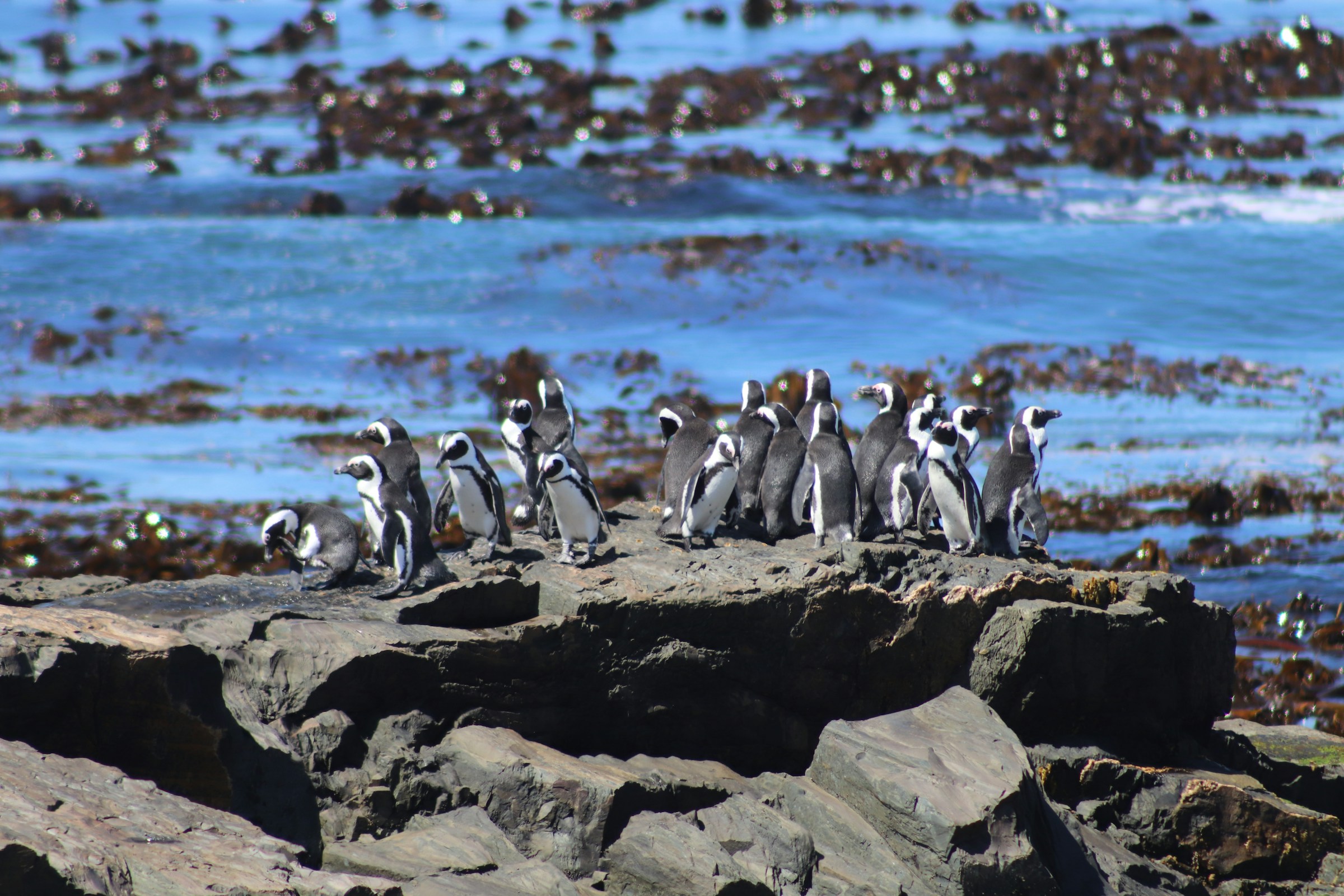
The island takes its name from the Dutch word for the seals that once basked on its rocky shores — robben. From the late 1400s Portuguese mariners used it as a stopover; the Dutch East India Company quarried slate and bluestone here from 1652 to build Cape Town's first castle. Through the 18th and 19th centuries the colonial powers used the island to banish political prisoners from across the Cape, including the Xhosa chief Makanda Nxele in 1819, who drowned trying to swim back to the mainland.
 ii1846 – 1931
A leper colony and asylum
In 1846 the colony added a leper hospital, a chronic-illness asylum and a women's hospital that operated for nearly a century. Patients lived in isolation in stone barracks scattered across the island; the small cemetery near the lighthouse remains as a reminder. The medical settlement only finally closed in 1931 — by which point the island had been continuously inhabited by people in confinement of one form or another for almost three hundred years.
 iii1961 – 1991
Apartheid's maximum-security prison
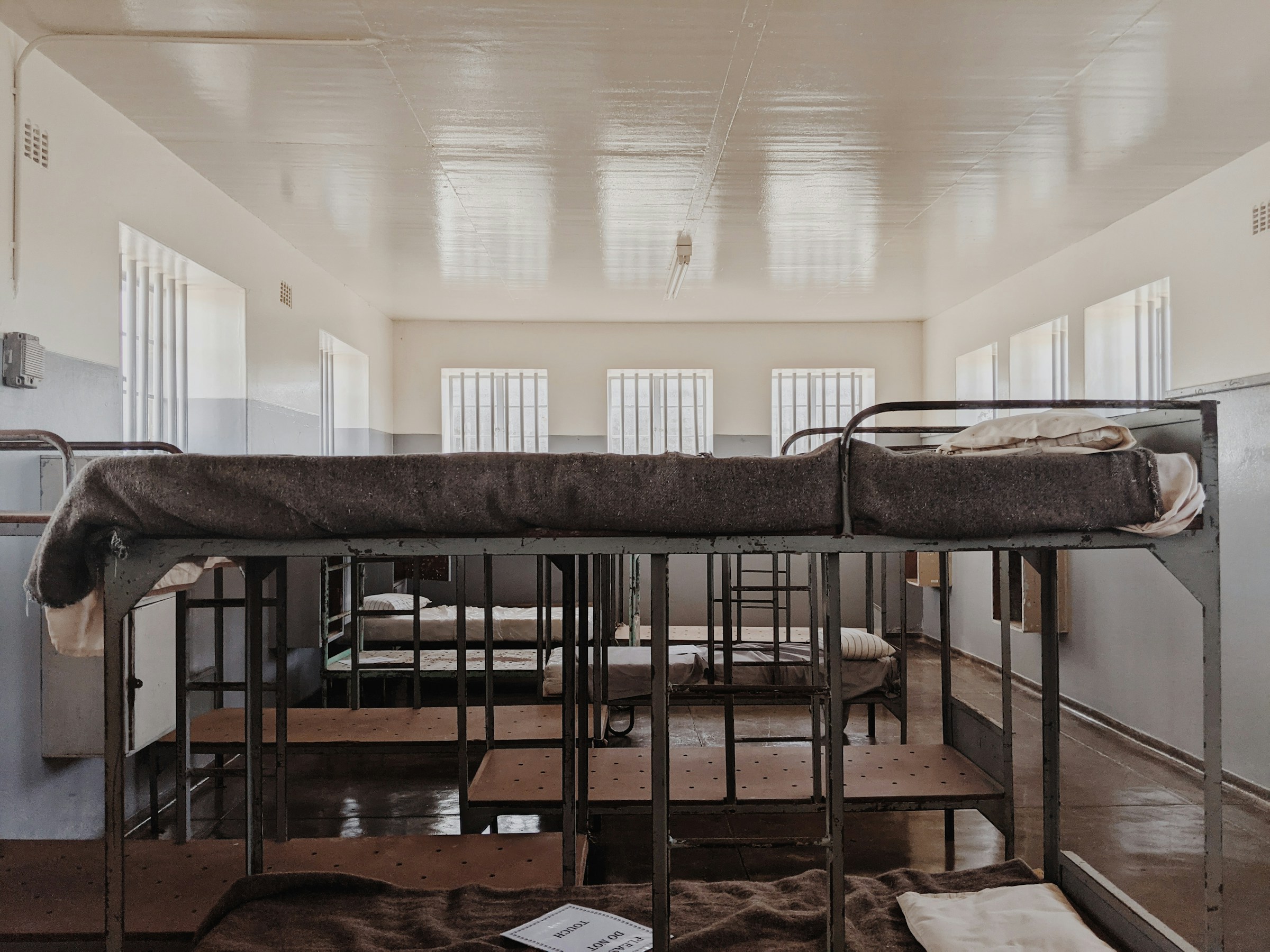
The South African government converted Robben Island into a maximum-security prison for political opponents of apartheid in 1961. Over the next three decades it held thousands of activists from the African National Congress, the Pan Africanist Congress and other movements. Conditions were brutal: prisoners broke limestone in the island quarry under the sun and slept in narrow cells without beds. Nelson Mandela was imprisoned on the island for eighteen of his twenty-seven years in captivity, in cell number 5 of Section B. Walter Sisulu, Govan Mbeki, Ahmed Kathrada and Robert Sobukwe — leaders who would help dismantle apartheid — spent decades here. Despite the regime's intent, the prison became, in Mandela's own words, "a university" where prisoners taught each other politics, languages and history.
 iv1991 – today
Museum, memorial, World Heritage Site
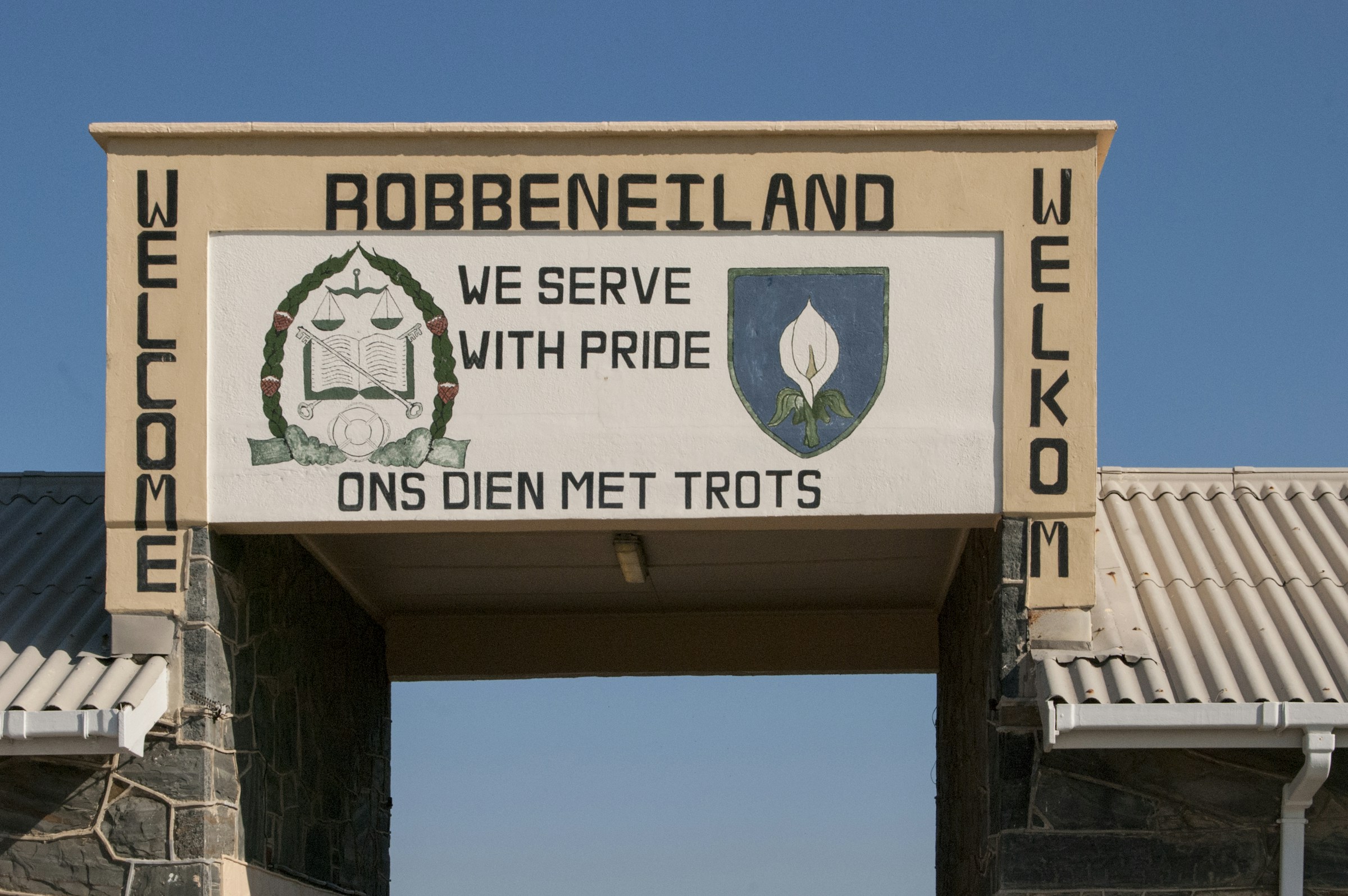
The last political prisoners were released in 1991, and the prison itself closed in 1996. Robben Island Museum was established in 1997 and is administered as a national heritage site. UNESCO inscribed the island on the World Heritage List in 1999, citing its "triumph of the human spirit" symbolism. The island is also a nature reserve — penguins, oystercatchers and tortoises live among the ruins. A 3.5-hour tour today covers the limestone quarry, the village where prison warders raised their families, Robert Sobukwe's solitary house, and the maximum-security prison block including Mandela's cell. Many of the guides who lead the prison walk were once inmates here.
Continue reading
The story doesn't end at the harbour.
Long Walk to Freedom
Nelson Mandela · autobiography, 1994
Island in Chains
Indres Naidoo · prison memoir, 1982
Memory Against Forgetting
Z. Pallo Jordan · essays on remembrance